
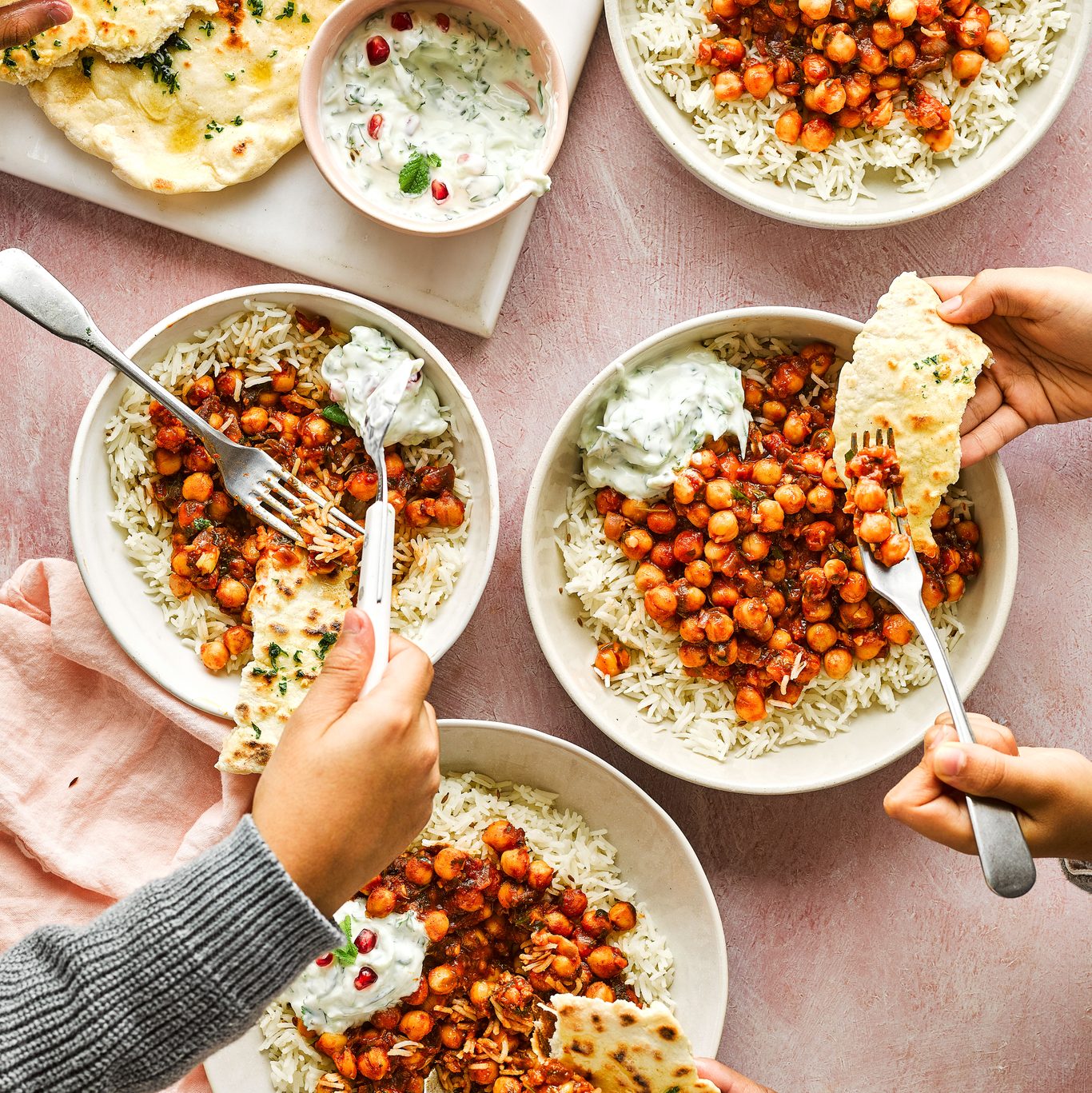
Feeding a big family can feel like a constant balancing act. There’s the weekly shop to consider, children with different tastes, rising food prices, and the quiet pressure to serve meals that are both nourishing and filling. For many UK families, food budgeting isn’t just about saving money — it’s about making sure everyone feels cared for, included, and satisfied.
Budget-friendly meal planning isn’t about cutting corners or serving joyless meals. It’s about working with what you have, planning with intention, and finding rhythms that make everyday cooking feel manageable. With the right approach, even tight grocery budgets can stretch to support full plates and family connection.
Why Meal Planning Matters More for Big Families
When more people gather around the table, small decisions add up quickly. Without a plan, grocery bills can spiral, food can go to waste, and mealtimes can become stressful rather than grounding.
Meal planning creates predictability. It reduces last-minute spending, saves mental energy, and makes cooking feel less overwhelming. For big families, it also helps ensure everyone gets enough to eat without constant trips to the shop.
Planning doesn’t need to be rigid. A flexible structure is often more sustainable than a perfect schedule.
Understanding the Reality of UK Grocery Budgets
UK grocery costs have become a real source of anxiety for many households. Feeding several people means even small price increases have noticeable impact.
Understanding where money goes is the first step. Staples like bread, milk, pasta, rice, and fresh produce form the foundation of most family meals. When these are planned carefully, the rest of the shop becomes easier to manage.
Budget-friendly meal planning works best when it’s realistic — not aspirational.
Start With a Weekly Meal Framework
Rather than planning every meal from scratch, many families benefit from a weekly framework. This might include familiar themes like pasta night, curry night, jacket potatoes, or leftover-based meals.
Repeating meals isn’t boring — it’s comforting. Children often enjoy knowing what to expect, and parents save time and energy.
A loose framework allows for variety while keeping shopping lists predictable.
Planning Around Affordable Staples
Staples are the backbone of budget-friendly cooking. Foods like lentils, beans, oats, potatoes, rice, eggs, and frozen vegetables are filling, versatile, and cost-effective.
Building meals around these ingredients helps stretch more expensive items like meat or cheese. For example, adding lentils to mince or using vegetables to bulk out sauces creates hearty meals without doubling costs.
Staples also make it easier to adapt recipes based on what’s on offer.
Using Meat Strategically, Not Constantly
Meat is often one of the biggest expenses in a grocery shop. Budget-friendly meal plans don’t eliminate meat entirely, but they use it thoughtfully.
Meals where meat is one component rather than the focus — such as stews, casseroles, curries, and pasta sauces — go much further. One pack of chicken or mince can feed many when combined with vegetables and grains.
Planning a few meat-free meals each week also helps reduce costs while adding variety.
Cooking in Batches to Save Time and Money
Batch cooking is especially helpful for big families. Cooking larger portions reduces energy use, saves time, and ensures leftovers are ready for busy days.
Soups, chilli, curry, bolognese, and traybakes all freeze well. Having meals ready prevents reliance on takeaways or expensive convenience foods.
Batch cooking doesn’t mean eating the same meal every day. Freezing portions allows variety throughout the week.
Making Leftovers Feel Intentional
Leftovers can sometimes feel uninspiring, but with small adjustments they become part of the plan rather than an afterthought.
Roast vegetables can turn into wraps or fried rice. Leftover chicken can become soup, sandwiches, or pasta. Yesterday’s dinner often becomes tomorrow’s lunch with minimal effort.
Teaching children that leftovers are normal helps reduce waste and builds healthy habits around food.
Shopping Smarter Without Extra Stress
Budget-friendly shopping doesn’t require visiting multiple supermarkets or chasing every deal. Simple habits make a difference.
Shopping with a list, avoiding hunger while shopping, and sticking to planned meals reduce impulse spending. Own-brand products often offer similar quality at lower prices.
Using loyalty schemes or supermarket apps can help, but only if they feel manageable rather than overwhelming.
Frozen and Tinned Foods Are Your Allies
Frozen and tinned foods are often misunderstood. In reality, they are lifesavers for big families on a budget.
Frozen vegetables reduce waste and save prep time. Tinned tomatoes, beans, chickpeas, and fish provide affordable nutrition year-round.
These ingredients allow flexibility when fresh options are expensive or unavailable.
Simple, Filling Meals That Please Everyone
Big families often include picky eaters, growing children, and adults with different needs. Meals that are adaptable tend to work best.
Dishes where elements are separate — like baked potatoes with toppings, pasta with different sauces, or rice bowls — allow choice without extra cooking.
Comforting, familiar meals often bring the most satisfaction for the least cost.
Breakfast and Lunch on a Budget
Breakfast and lunch costs can quietly add up. Simple, repetitive options help manage spending.
Oats, toast, eggs, yoghurt, and fruit form affordable breakfasts. For lunches, leftovers, sandwiches, soups, and pasta salads are cost-effective and filling.
Planning these meals reduces reliance on packaged snacks or ready-made foods.
Snacks That Stretch Further
Snacks are often overlooked in budgeting, but they matter — especially with children.
Homemade popcorn, flapjacks, toast, fruit, and yoghurt are affordable options that keep children satisfied between meals.
Having planned snacks reduces constant requests and impulse buys.
Involving the Family in Meal Planning
When children are involved in meal planning, they’re often more willing to eat what’s served. This doesn’t mean everyone chooses every meal, but small involvement builds cooperation.
Allowing children to choose one meal a week or help with simple prep tasks creates connection and reduces resistance at the table.
Shared responsibility lightens the mental load on parents.
Managing Food Waste With Compassion
Food waste can feel frustrating, especially on a tight budget. Rather than focusing on guilt, focus on patterns.
Noticing what consistently goes uneaten helps adjust future plans. Smaller portions with second helpings often reduce waste.
Perfection isn’t the goal — awareness is.
Gentle Reflections for Budget Meal Planning
Before the Shop
What meals do we already enjoy?
What ingredients do we still have?
During the Week
What meals felt easiest?
Where did stress creep in?
Adjusting Over Time
What could be simplified next week?
Which meals offered the best value?
Caring for Yourself Too
What meal gives me a break?
Where can I allow flexibility?
Letting Go of Comparison
It’s easy to compare grocery shops, packed lunches, or dinner plates with others. But every family has different needs, tastes, and limits.
What matters is that your family is fed, supported, and cared for. Budget-friendly meals can still be comforting, nourishing, and meaningful.
Comparison often steals satisfaction from what’s already working.
Food as Connection, Not Pressure
Meals are about more than nutrition. They’re moments of pause in busy days, chances to check in, and opportunities to build routines.
Even simple meals, served consistently, create a sense of security for children. Warm food and predictable mealtimes matter more than variety or presentation.
Allow food to be supportive rather than another source of stress.
Feeding a Big Family With Care and Intention
Budget-friendly meal planning for big families is not about restriction — it’s about rhythm. It’s about learning what works, adjusting gently, and finding comfort in familiarity.
With thoughtful planning, flexible staples, and realistic expectations, UK grocery budgets can stretch further than expected. Over time, routines form, confidence grows, and meals become less about survival and more about care.
Feeding a big family will always require effort. But when meals are planned with compassion — for your budget and yourself — they become a quiet act of love, repeated day after day around the table.
Leave a Reply